
Stay on top of your heating plan this winter
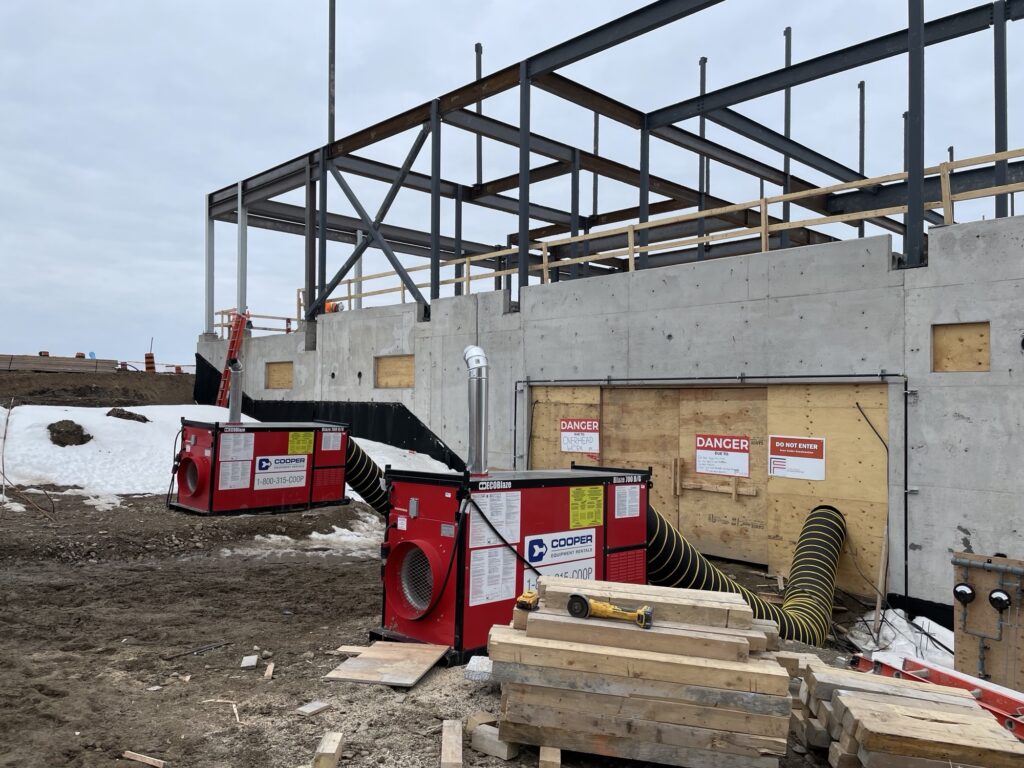
Don’t let the cold derail your project
Early heat planning is essential to avoid delays, control costs, and keep your crew protected. Here’s how to prep your project for whatever winter brings.
When winter hits, there’s no thermostat to turn up on the jobsite. Harsh conditions, unpredictable weather, and short timelines make staying productive a real challenge. Whether it’s another mild season or full-blown snowmageddon, one thing is certain: if you’re not properly prepared, your project could suffer from delays, budget overruns, or even serious safety incidents.
From choosing the right heating equipment to ensuring your crew is properly trained, early planning can help protect your team, your schedule, and your bottom line.
Here’s three key tips when it comes to planning your winter jobsite heating.
1. Plan ahead or fall behind: secure your heating early
Every job needs a heating plan, especially large-scale projects. And that plan should start months before your project does. Your rental provider’s heating inventory can be limited come fall and early winter. You don’t want to be scrambling at the last minute. Because if you’re calling up your rental provider in November, you may not get the equipment you need.
Factors like square footage, building volume, room count, materials, and even wall placement all play a role in your heating needs. As your project progresses, your heating requirements will likely change. Different stages may call for different heating setup – so plan ahead and adapt as needed.
2. Always prioritize safety
Heating a winter jobsite comes with serious safety risks, and choosing the right type of equipment for your site is essential for worker safety.
Proper heater setup should always be handled by qualified professionals who follow manufacturer specifications and comply with local gas codes. Propane suppliers can also be a valuable resource, offering guidance and support during setup.
But the right equipment is only part of the equation. A properly trained crew is just as important. Cutting corners with untrained labour might seem like a way to save money – but it can cost you big in downtime, equipment damage, or serious injury. Include training as a core part of your heating plan. Work with your rental provider to ensure your team knows how to safely handle propane and other fuels while also being able to recognize hazards and respond appropriately.
3. The right rental provider does more than just drop off heaters
Choosing the right size and type of heat is critical – and the right rental provider can help get you there. Whether you need direct-fired, indirect-fired, or electric heaters, a reliable provider has access to the latest, most fuel-efficient equipment to help reduce fuel costs and improve efficiency.
The right partner can also assist with navigating Canadian gas codes, securing permits, and supplying licensed gas fitters. Climate control professionals can help you plan effectively, anticipate potential challenges, and ensure the correct heating setup is in place from the start.
And by using telematics and remote monitoring tools to track temperature and humidity in real time, your rental provider can help you stay on top of changing conditions on the jobsite.
Keeping your site warm and operational in winter isn’t a one-step task
Heating is a strategic decision that affects your entire project. No matter what size or length your project, planning ahead is key.
Understand your site’s unique needs. Know the heating options available. Choose a rental partner who will go beyond equipment to offer expert advice, safety training, site-specific planning, and the tools to monitor performance.
With the right prep, you can take on winter with confidence – ensuring workers stay safe, projects stay on track, and your productivity doesn’t freeze with the temperatures.
Cold weather’s coming fast. Let’s get your heating plan in place before it hits. Connect with a rental partner who knows jobsite climate control inside and out.