
Six common equipment problems and how to troubleshoot them before you call for service
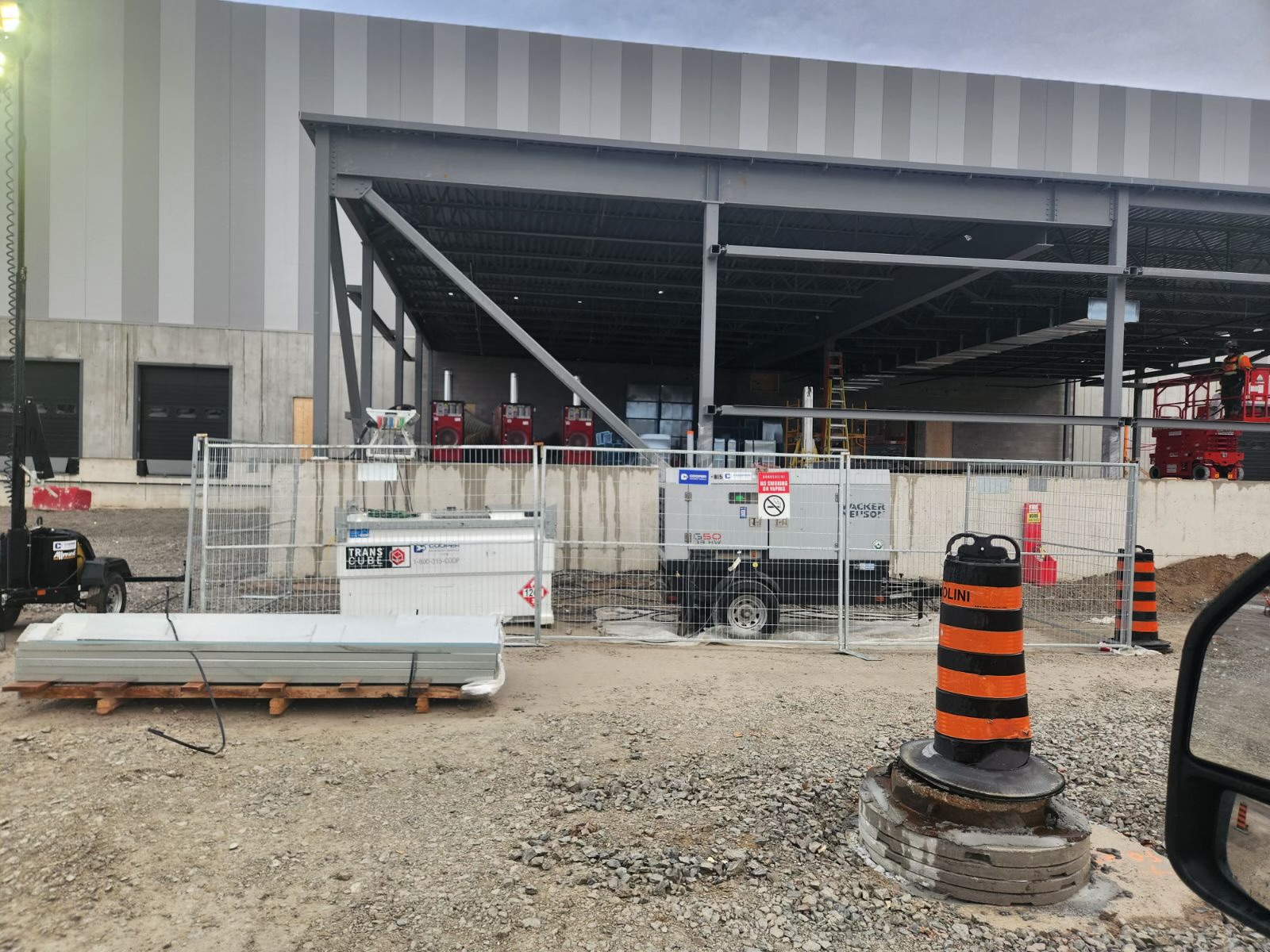
When it comes to equipment issues, there’s almost nothing we haven’t seen before. Poor maintenance practices or operator misuse are all too common. But a lot of equipment problems can easily be identified…and fixed. So if you’re having problems with your generator or air compressor, it may be something you can troubleshoot on your own to avoid unnecessary service calls and downtime.
Generators and air compressors are complex machines. They can break down for any number of reasons. Your rental partner can help ensure you have access to well-maintained equipment for your job…but there will come a point when your equipment fails.
So whether your generator or air compressor is experiencing overheating, battery problems or start-up issues, some basic knowledge of the equipment, common problems and their solutions can help you troubleshoot some common problems and make your life a lot easier.
1. Read the operator’s manual
We’ve said it before and we’ll say it again. Read the operator’s manual. Every piece of equipment comes with one and it contains vital information on safety features and controls, how to operate the machine and equipment maintenance to help with troubleshooting common problems.
Manuals aren’t just for mechanics either – most equipment has minimum daily or weekly checks and other maintenance instructions to keep equipment running safely and service calls to a minimum. And remember…just because you’ve read a manual for one machine doesn’t mean you’ve read them all.
2. Match your equipment to the task OR Right-size your equipment to maximize efficiency
If your generator or air compressor isn’t operating properly, it could be due to its size. Sometimes customers ask for a specific generator because “they’ve just always used that one.” When we dig deeper, we find they’re using equipment that’s too big or too small for the application.
Traditional generators must be sized for peak loads and kept running even if loads are small. Air compressors work the same. When a generator is too big, it doesn’t pull enough power and can’t run hard enough. The exhaust system is unable to break down particulates, clogging up the system, restricting air flow and resulting in an eventual failure. More commonly, we see air compressors that are too small for their application – causing excess oil to bypass the filter system.
Work with your rental partner to size the right equipment for the job. If your needs change over the lifespan of your project, you can easily swap out your unit for a different one. This means you’re mitigating rental costs and potential faults, and saving on fuel early on in the job.
3. Check your oils daily
Improper oil levels are a common problem with both generators and air compressors. Not only does your equipment need fuel, but it also needs DEF – a diesel exhaust fluid used to reduce emissions of nitrogen oxides from diesel engines. It’s injected into the emission system to help break down the carbon.
Ensuring both fuel and DEF fluids are filled adequately can help avoid a lot of problems with equipment. We recommend topping off your DEF tank each time you refuel. DEF consumption will vary depending on the environment, operation and type of equipment you’re using.
4. Keep DEF clean to avoid a service call
Mistakes happen and DEF contamination is more common than you think. Even experienced mechanics have found themselves face to face with a contaminated fuel tank… and this kind of incident can be both costly and time consuming.
DEF contamination happens when the fluid oxidizes, often from the container being left open. We’ve even seen diesel fuel that’s been accidentally poured into the DEF tank. No matter what the contaminant is, the tank must be emptied, rinsed out and re-installed.
Beyond just human error there are a few ways we can avoid DEF contamination. By storing DEF in a climate-controlled environment and out of direct sunlight you can extend its shelf life. And of course, ensuring a good, clean and uncontaminated environment will help ensure longevity for your fuel while keeping costs down.
5. Ensure proper shut down of your battery
If you have fuel in your generator tank and you hear the engine ticking over, but it doesn’t start, chances are you’ve got a dead battery.
This may be the result of an improper shutdown. Each make and model has a different type of master switch – if it hasn’t been shut down properly, power is still being drawn. Be sure to maintain proper battery charging by following the manufacturers recommendations and ensuring your workers are properly trained on how to operate the machine.
6. Watch for overheating
The dusty, dirty environment of a construction site is sometimes unavoidable…but it’s not great for equipment. It can clog air filters and result in overheating and some serious problems with your generators and air compressors. It’s not just the repair costs and service calls that can affect your business, it can also leave your jobsite without a power source.
Try to space your equipment away from areas of high dust and contaminants. If this isn’t possible you can try covering your generator to prevent dirt and debris from clogging the air filters. Also avoid placing the generator close to other heat-emitting equipment.
Make the most of your rental
Troubleshooting common equipment problems before you put out a service call can help you avoid downtime and increase productivity on the job. And when you need it, your rental partner can be there not just to service your equipment but ensure you have the right-sized equipment.
In addition to providing reliable equipment for the job, Cooper also offers a wide selection of in-class and online training. Check out our training programs and get your people up to date on the latest industry training standards.