
Here’s five ways to prevent the most common equipment malfunctions
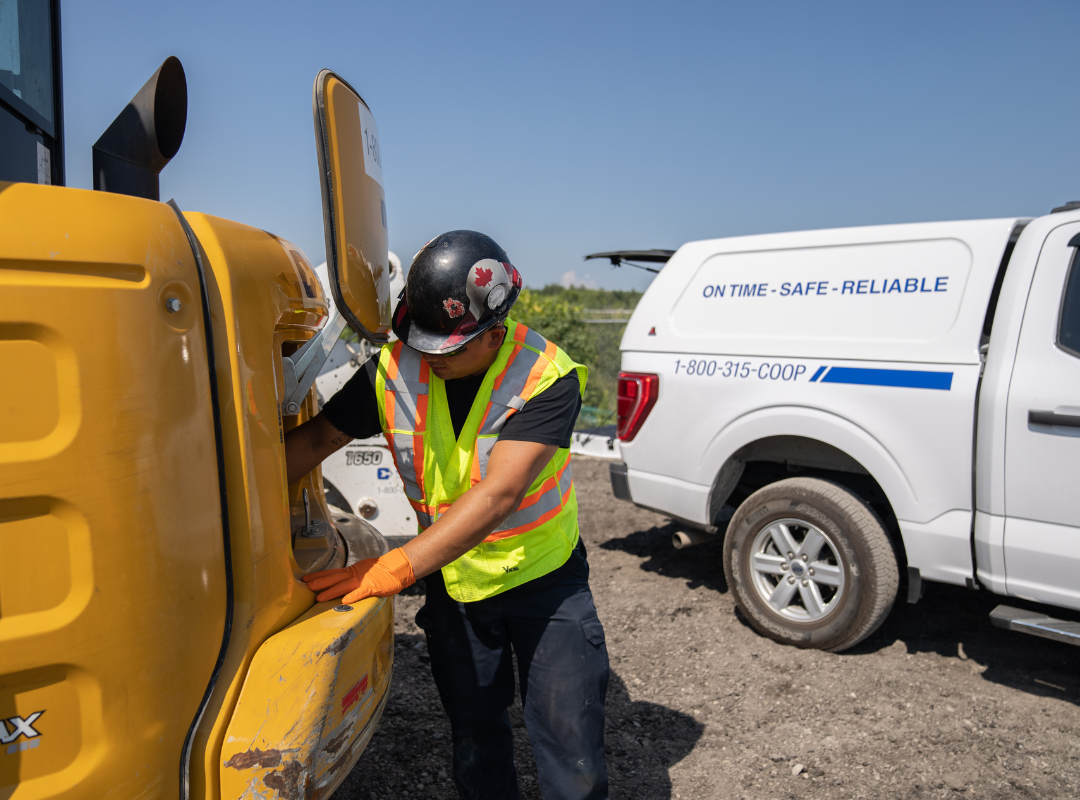
The true cost of unplanned downtime is a tough pill to swallow. It affects productivity and takes a huge financial toll. Your business is not operating as usual when external factors disrupt workflows, bring equipment to a halt and force workers to make up for lost time.
Occasional issues are to be expected and some downtime is unavoidable, of course. But with a proactive approach and by working with your equipment rental partner to identify issues early on, you can keep minor issues from becoming big problems.
We see a lot of customers in a day…so it’s safe to say we’ve identified some trends when it comes to the service calls we receive. Here are a few tips to help prevent equipment malfunctions and keep your downtime and productivity high.
- Familiarize yourself with equipment and read the operator’s manual
You wouldn’t get into a rental car without checking where the headlights, blinker and windshield wipers are located. The same goes for your equipment – reading the operating manual and familiarizing yourself with the machine is the number one thing you can do to prevent service calls – and accidents. And just because you’ve read a manual for one machine doesn’t mean you’ve read them all. Equipment differs depending on its year and model.
Newer machines operate differently than older ones. Enhanced safety components have created some challenges for those used to operating older equipment. For example, new models of aerial lifts and booms come with load sensing technology to prevent accidents. Equipment is advancing quickly and staying on top of safety features not only keeps your workers safe but helps keep your equipment healthy too.
- Avoid equipment malfunction and unexpected downtime by maintaining a well-functioning cooling system
The cooling system in your equipment normalizes the temperature of the engine and prevents overheating. If you regularly check fluid levels, including engine oil, hydraulic fluid, and coolant, you can avoid overheating. Regular maintenance and inspections (especially if you’re working in dusty/dirty conditions) are also imperative to ensure optimal performance.
Remember to keep in mind the quality of your diesel exhaust fluid (also known as DEF). Common elements found around containers and tanks can lead to contaminated DEF, which causes equipment to consume more fluid and emit more exhaust. Over time, this can cause the engine to shut down.
- Using clean fuel is the simplest and most important thing you can do for your equipment
New Tier 4 engines run on higher pressure systems so any small contaminants, such as dirt, debris or water can affect performance and cause problems for your equipment. Be sure to inspect tanks regularly and clean them as needed.
You should also keep in mind the type of fuel you’re using. A lower-quality fuel is more likely to become contaminated, leading to engine failures and higher maintenance costs.
- Properly loading equipment is a great way to keep maintenance down AND reduce costs while you’re at it
We see a lot of generators pushed through to failure – resulting in carbon build-up and costly repairs. Traditional generators are sized for peak loads and must keep running even if loads are small. Newer hybrid generators do the opposite. They operate in what we call the ‘Goldilocks zone’ – not too big, not too small….just right. This means they save on fuel and run time, reducing noise and extending service intervals.
Heaters are another piece of equipment with common failures related to improper sizing. There’s several factors at play when it comes to understanding what type and size of heater is needed for the job. Coming up with the right solution is much easier when you work with a rental partner who can help you understand the needs of your job site and can resource equipment accordingly.
- Education and training are key
With equipment evolving so rapidly, the right training for your people is crucial. Many operators have the right industry or jobsite experience but hesitate when it comes to new technology or equipment that is more complex to operate.
Make sure your rental partner offers equipment and safety training. Most of these courses consist of online or in-class training followed by evaluations on the jobsite to verify the individual’s equipment knowledge and ability to operate equipment safely.
Take steps to prevent machine failure and spend more time doing the things that matter
Unnecessary downtime, high repair costs or worse…injury…are not things you want to add to your day. When you take steps to prevent machine failure, you can spend time more productively. Start with a reliable rental partner, then make sure you have the right maintenance plan, training and solid knowledge of your equipment. These steps can go a long way in identifying issues early on and preventing common equipment malfunctions.
Do you want to up your equipment knowledge game? In addition to providing reliable equipment for the job, we also offer a wide selection of in-class and online training. Check out our training programs and get your people up to date on the latest industry training standards.