
The case for hybrid construction equipment
By Mike Wijayasundar, Director of Rental Equipment, Cooper Equipment Rentals. Published by Heavy Equipment Guide.
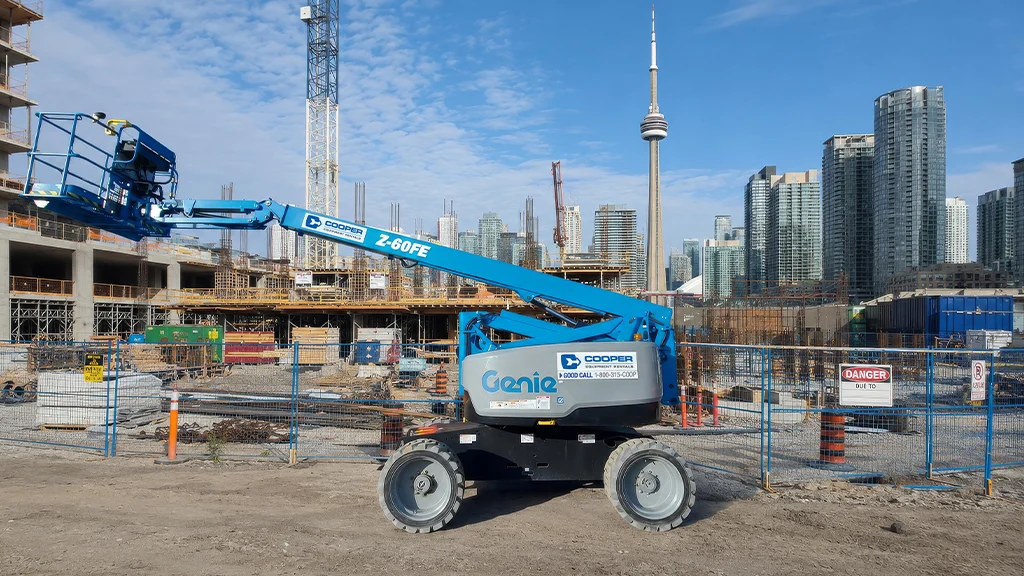
Hybrid machines help contractors adapt to shifting job site demands
Ask contractors what matters most on a job site, and “hybrid” equipment rarely tops the list, but reliability, productivity, and staying on schedule do. The good news is that today’s hybrid equipment can deliver on all three, bridging the gap between traditional diesel machines and electric alternatives.
While electric equipment is well-suited to some applications, it isn’t the right fit for every job. Limited charging infrastructure, longer recharge times, and high-demand applications can make electric equipment difficult to rely on for a full day’s work. Renting a hybrid offers a practical middle ground. By combining diesel and electric power, hybrid machines reduce fuel consumption and emissions while delivering the performance that contractors expect.
While there are still some considerations around operator training and maintenance, hybrid machines are proving that improved efficiency doesn’t have to come at the expense of reliability or performance. So where does hybrid equipment make the biggest impact? In the way it helps contractors stay productive, control costs, and adapt as projects evolve.
Hybrid power increases equipment availability
Productivity is measured in uptime. Every hour equipment sits idle — waiting to be refuelled, recharged, or repaired — is an hour that costs time and money. Hybrid boom lifts can reduce this idle time on-site.
In electric mode they can run a full shift on a single charge, well-suited to indoor work or jobs with noise and emissions restrictions. When a job calls for longer runtime, they can easily switch to hybrid mode, using diesel and extending working time between fuel stops. A single tank of diesel can deliver a week of runtime, keeping crews productive.
READ the full article on Heavy Equipment Guide.