
Stay dry on the jobsite
By Jason Bunston, General Manager, Cooper Pump & Power. Published by Canadian Contractor.
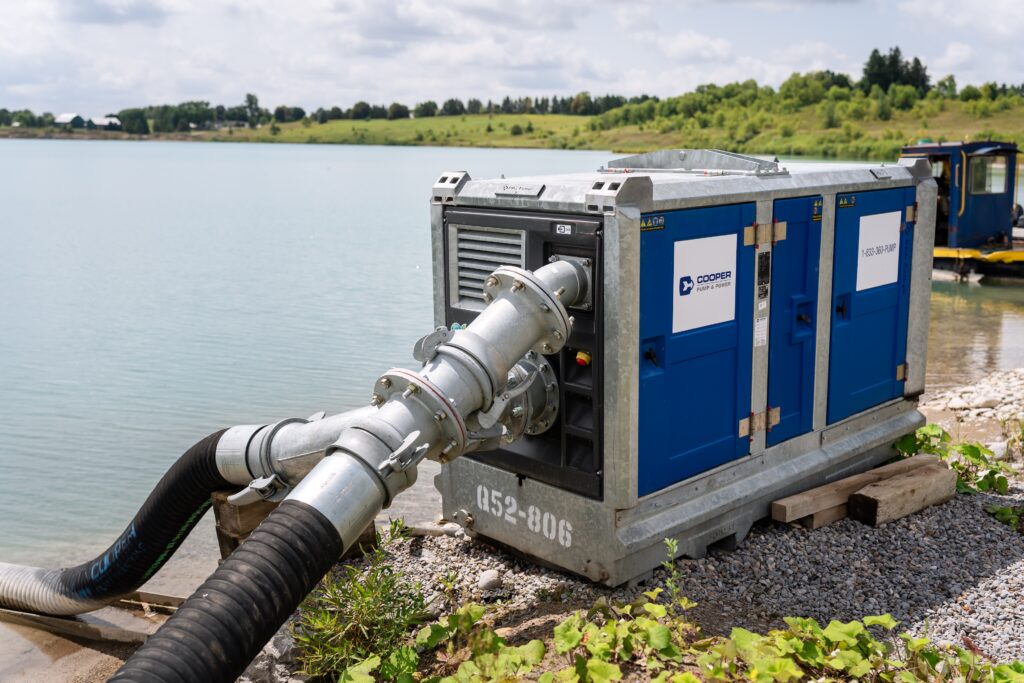
A construction project begins in early spring. Excavation starts, the site is stripped and graded, and then the weather changes. Temperatures rise, snow melts, rain moves in – and water starts to build. Without any planned drainage, runoff flows directly into the excavated area, flooding the jobsite.
It’s a familiar flood season scenario on spring jobsites. What starts as manageable water can lead to delays and added costs. Without the right equipment – and a partner who can get machines up and running quickly – even the best laid plans can fall short.
In practice, flood management comes down to a few things you need to get right early.
Start with a plan
Heavy rain and spring thaw can put pressure on a jobsite. On stripped lots with disturbed grading and limited drainage, it doesn’t take much for water to start pooling, eroding surfaces, or settling into low areas, especially on residential builds. It’s a situation most crews run into at some point, and one that needs to be managed from day one. The jobs that run smoothly are the ones where some key issues have been thought through early: how close the site is to flood zones or high groundwater, how it’s likely to respond to heavy rain, where drainage will go, how runoff will be handled, and what equipment will be needed to manage it. That’s where the right rental provider proves its value; by the time the season picks up, experienced providers already understand local conditions and where demand is heading. They know how different sites respond under pressure, and can help teams make better jobsite decisions before issues arise.
Remember: stay prepared and be proactive.
READ the full article on Canadian Contractor.