
Why tires matter: minimize downtime with smart tire best practices and tips.
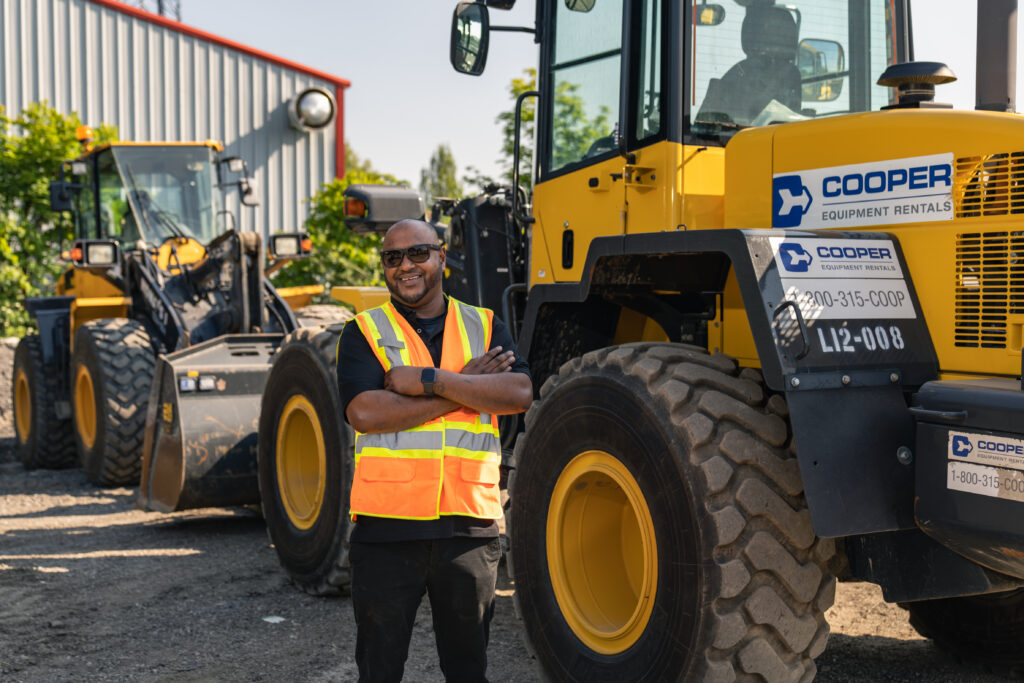
Are your equipment tires top of mind?
Why tire maintenance is key to performance, safety, and uptime.
Tires don’t always get the spotlight when it comes to rental equipment – but they should. When something goes wrong, tire issues quickly become everyone’s problem. The truth is, they have a big impact on construction equipment performance.
Tire issues are often the first thing that can bring your machine (and your productivity) to a halt. Best practices around tire maintenance are essential if you want to reduce service calls, minimize downtime, and keep operators safe, and comfortable. Whether you’re managing equipment rentals or utilizing your own fleet, here are seven key tips to keep your tires in tip top shape.
1. Pick the right tire for the job
There’s no one-size-fits-all solution when it comes to tire selection. Whether it’s solid, pneumatic or foam-filled, each type offers unique advantages and trade-offs based on the application, budget, and operational goals.
- Solid tires: Best for debris-heavy sites. No flats, fewer service calls – but a rougher ride.
- Pneumatic tires: Cheaper and smoother to operate, but prone to punctures.
- Foam-filled tires: A middle ground – less maintenance, but not as comfortable as air-filled.
2. Don’t ignore tire comfort
Most rental machines don’t have built-in suspension. That means tires do a lot of heavy lifting when it comes to absorbing shock. Pneumatic tires can reduce operator fatigue and strain during long shifts. Solid tires transfer more vibration, which can wear down your operator and the machine itself. Remember: operator comfort is key to your team’s safety and health. For longer shifts or operator-heavy jobs, prioritize comfort to reduce strain and increase productivity.
3. Check air pressure regularly
This one’s simple – and often skipped. Air pressure changes with load weight, temperature swings (cold mornings, hot afternoons), time, and usage. Too much pressure? Expect faster centre tread wear and risk of blowouts. Too little? You’ll chew up the sidewalls and waste fuel with higher rolling resistance. A quick check can prevent a costly fix.
4. Inspect tires before every use
A 2-minute walkaround could save you a service call (and a headache) later. Don’t forget to look at all three surfaces: tread, outer sidewall, and inner sidewall (which often gets missed). Watch for cuts, cracks, bulges or anything embedded in the tire. Damage near curbs or debris piles is especially common – spot it early and avoid the call later.
5. Monitor your jobsite environment
Sharp debris or scrap metal can destroy tires fast. Keep your yard and work area clean, mark or avoid high-risk zones and use solid tires in high-risk areas. And if you’re constantly replacing tires, look at your site – not just the machine.
6. Store equipment properly when not in use
Storage matters, especially with pneumatic tires. Be sure to keep them out of direct sunlight, avoid leaving them in or near standing water or mud, and elevate tires off the ground if possible. Good storage extends tire life and helps your machines stay job-ready.
7. Ask your rental partner for advice
Your rental provider knows equipment – and tires. Don’t just accept whatever comes with the machine. Talk to them about how site conditions, load capacity, and duration of use all play a role in tire longevity. A quick conversation before you start your job could mean fewer service calls and better machine performance in the long term.
Bottom line: Don’t let tires be your weakest link
The right tire can mean the difference between a productive day and a machine stuck in the yard. Pay attention to the details – your uptime, safety, and bottom line depend on it.
Need help choosing the right tire for your next rental? Ask one of our experts for advice. A small upgrade now could save you big later.